
Are Air Conditioning Zoning Systems Worth It?
For Gold Coast homeowners, maintaining consistent comfort throughout the home is a top priority, especially during hot, humid summers or cooler winter nights. While ducted air conditioning systems provide whole-home climate control, many homeowners are considering air conditioning zoning systems to improve efficiency and comfort. But are they really worth the investment?
In this guide, we’ll explore what zoning systems are, how they work, the benefits, costs, and whether a zoning system is the right choice for your home.
What Is an Air Conditioning Zoning System?
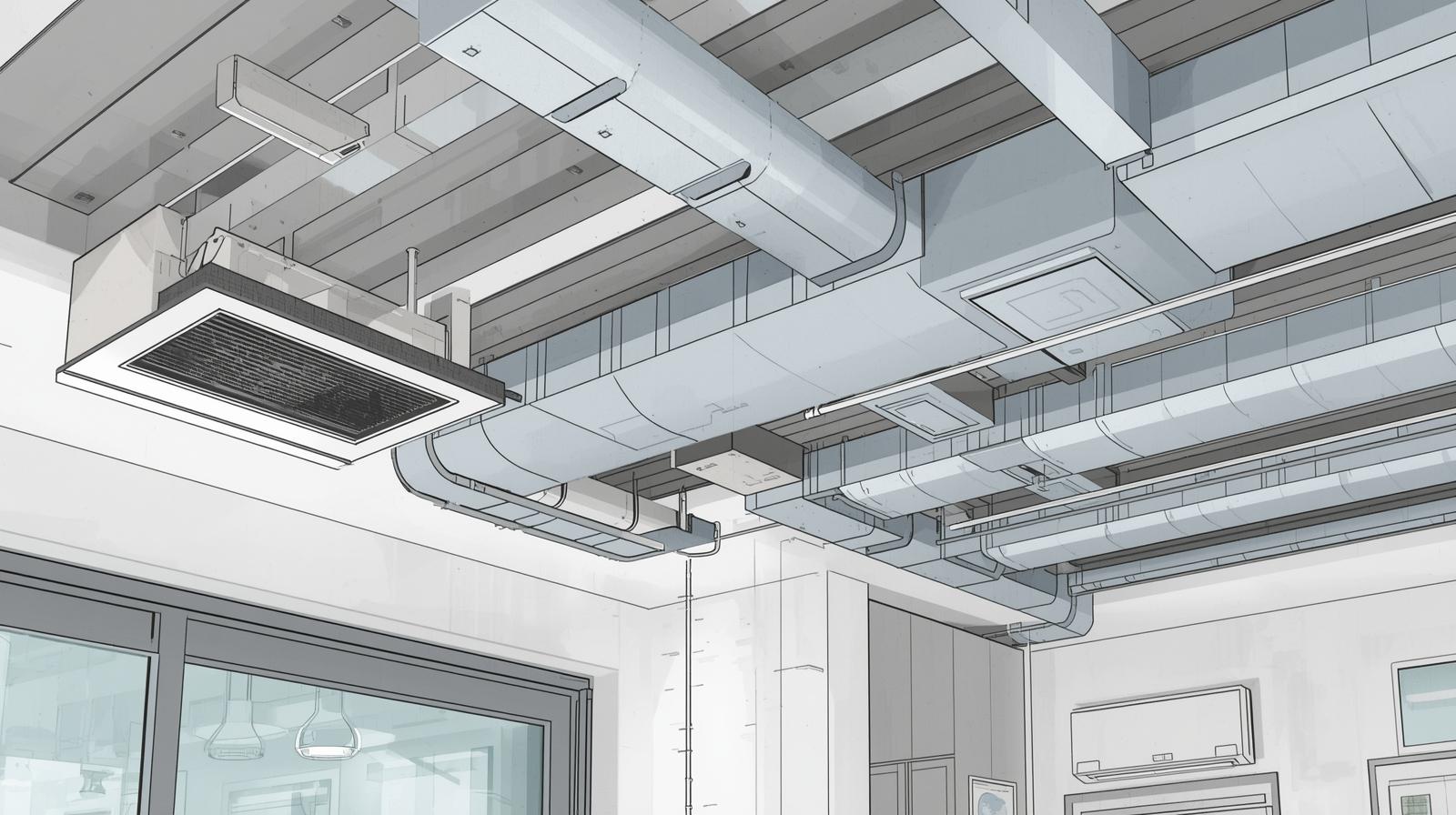
An air conditioning zoning system allows a ducted air conditioner to control different areas of your home independently. Instead of one thermostat controlling the temperature for the entire house, zoning uses multiple thermostats and motorised dampers in the ductwork to regulate airflow to specific rooms or zones.
For example, you could:
Cool the living areas during the day
Keep bedrooms at a different temperature at night
Avoid heating or cooling unused spaces
This provides precise control, energy savings, and increased comfort for homeowners with larger or multi-level properties.
How Air Conditioning Zoning Systems Work
A zoning system consists of three main components:
Thermostats in Each Zone – Each area of the home has its own thermostat that communicates with the central system.
Motorised Dampers – These are installed in the ductwork to regulate airflow to each zone.
Control Panel – The central controller ensures that the system responds to each thermostat’s settings efficiently.
When a thermostat detects that its zone has reached the desired temperature, the dampers adjust airflow accordingly, redirecting conditioned air to other zones that still need cooling or heating.
This system allows you to avoid wasting energy on rooms that aren’t in use, while keeping every occupied area comfortable.
Benefits of Air Conditioning Zoning Systems
Zoning systems provide several advantages that make them worth considering for Gold Coast homes.
1. Energy Efficiency
By only conditioning areas that are in use, a zoning system reduces unnecessary energy consumption. Homes with multiple zones often see up to 30% savings on energy bills compared to running a single thermostat for the entire house.
For example, you can avoid cooling unoccupied bedrooms during the day, which significantly lowers electricity costs.
2. Enhanced Comfort
Different family members may prefer different temperatures. Zoning systems allow for custom comfort levels in each area, eliminating disputes over thermostat settings and ensuring everyone enjoys a comfortable environment.
3. Extended System Lifespan
Since the system is not running at full capacity constantly, wear and tear on the compressor, motors, and fans is reduced, prolonging the life of your ducted air conditioning system.
4. Flexible Home Management
Zoning is ideal for homes with multiple floors or large open-plan areas. You can prioritise cooling or heating in areas that are in use, while reducing output in other zones.
5. Increased Property Value
Zoning systems are a premium feature for buyers. Homes with energy-efficient, flexible air conditioning solutions are more appealing in the property market, particularly in high-demand areas like Bundall, Surfers Paradise, Southport, and Labrador.
Are Zoning Systems Worth the Investment?
The upfront cost of installing a zoning system is higher than a standard ducted system. On the Gold Coast, homeowners can generally expect:
2–3 zones: $1,500 – $3,000 additional
4–5 zones: $3,000 – $5,000 additional
These prices are approximate and vary depending on home size, system brand, and installation complexity.
While the initial investment may seem significant, the long-term energy savings, comfort benefits, and potential increase in property value often make zoning systems worthwhile for larger homes or multi-storey properties.
If you’re considering upgrading your home’s ducted system, Paradise Air can help Gold Coast homeowners assess whether a zoning system is right for your property. Speak to our team about ducted air conditioning upgrades and zoning solutions to maximise comfort and efficiency.
Factors to Consider Before Installing a Zoning System
Before investing in a zoning system, consider the following:
1. Home Size and Layout
Zoning is most beneficial in homes with multiple rooms, multiple floors, or irregular layouts where temperature differences occur. Small homes with open plans may not see the same advantages.
2. Current Ducted System
Older ducted systems may require upgrades to accommodate motorised dampers or additional thermostats. A professional assessment will determine whether your existing system can support zoning.
3. Lifestyle and Usage Patterns
Consider how your family uses your home. If some rooms are rarely used, zoning can provide significant energy savings. However, in homes where all rooms are occupied frequently, the benefits may be less pronounced.
4. Budget
Zoning systems require an upfront investment, but the energy savings over time can offset the cost. Evaluate your budget and long-term goals before deciding.
Installation Considerations
Professional installation is crucial for zoning systems. Certified technicians will:
Assess your home’s ductwork for compatibility
Design zones based on room usage and layout
Install motorised dampers and additional thermostats
Program the control system for optimal performance
Incorrect installation can lead to inefficient operation, poor airflow, and uneven temperatures, negating the benefits of zoning.
Maintenance and Servicing
Zoning systems, like all ducted systems, require regular servicing to maintain efficiency and longevity. Key maintenance tasks include:
Cleaning or replacing air filters in each zone
Inspecting dampers and ductwork for obstructions or leaks
Checking thermostats and control systems for accuracy
Servicing the main ducted system, including compressors and fans
Regular maintenance ensures each zone operates as intended, maximises energy efficiency, and prolongs the life of the system.
Case Study: Gold Coast Homeowners and Zoning
Consider a Gold Coast family living in a multi-storey home near Bundall. Before installing a zoning system, the home’s ducted system ran constantly, trying to maintain a single temperature across all floors. This led to uneven temperatures, higher energy bills, and discomfort in certain rooms.
After installing a 4-zone system, the family could:
Cool the living areas during the day while keeping bedrooms warmer
Set separate temperatures for upstairs bedrooms at night
Reduce energy consumption and save on electricity bills
This demonstrates how zoning systems can significantly improve both comfort and efficiency in larger homes.
Pros and Cons of Air Conditioning Zoning Systems
Pros:
Energy savings by only conditioning occupied areas
Increased comfort with personalised temperature settings
Reduced wear and tear on the system
Potential boost in property value
Ideal for large, multi-level homes
Cons:
Higher upfront installation cost
Requires professional assessment and installation
Benefits may be limited in small or single-level homes
Overall, for Gold Coast homeowners with larger properties, the advantages usually outweigh the costs, making zoning systems a worthwhile investment.
Conclusion
Are air conditioning zoning systems worth it? For most Gold Coast homes, especially those in Bundall, Surfers Paradise, Southport, Labrador, and surrounding suburbs, the answer is yes. Zoning provides:
Enhanced comfort across all rooms
Significant energy savings
Reduced system wear and extended lifespan
Increased flexibility and property value
While the initial investment is higher than a standard ducted system, the long-term benefits make zoning systems a smart choice for families who want efficient, customised, and reliable home comfort.
If you’re considering an upgrade or want to explore the benefits of zoning for your Gold Coast home, a professional assessment is essential. Paradise Air offers expert advice, installation, and servicing for ducted air conditioning systems with zoning, helping homeowners maximise comfort, efficiency, and value.


