
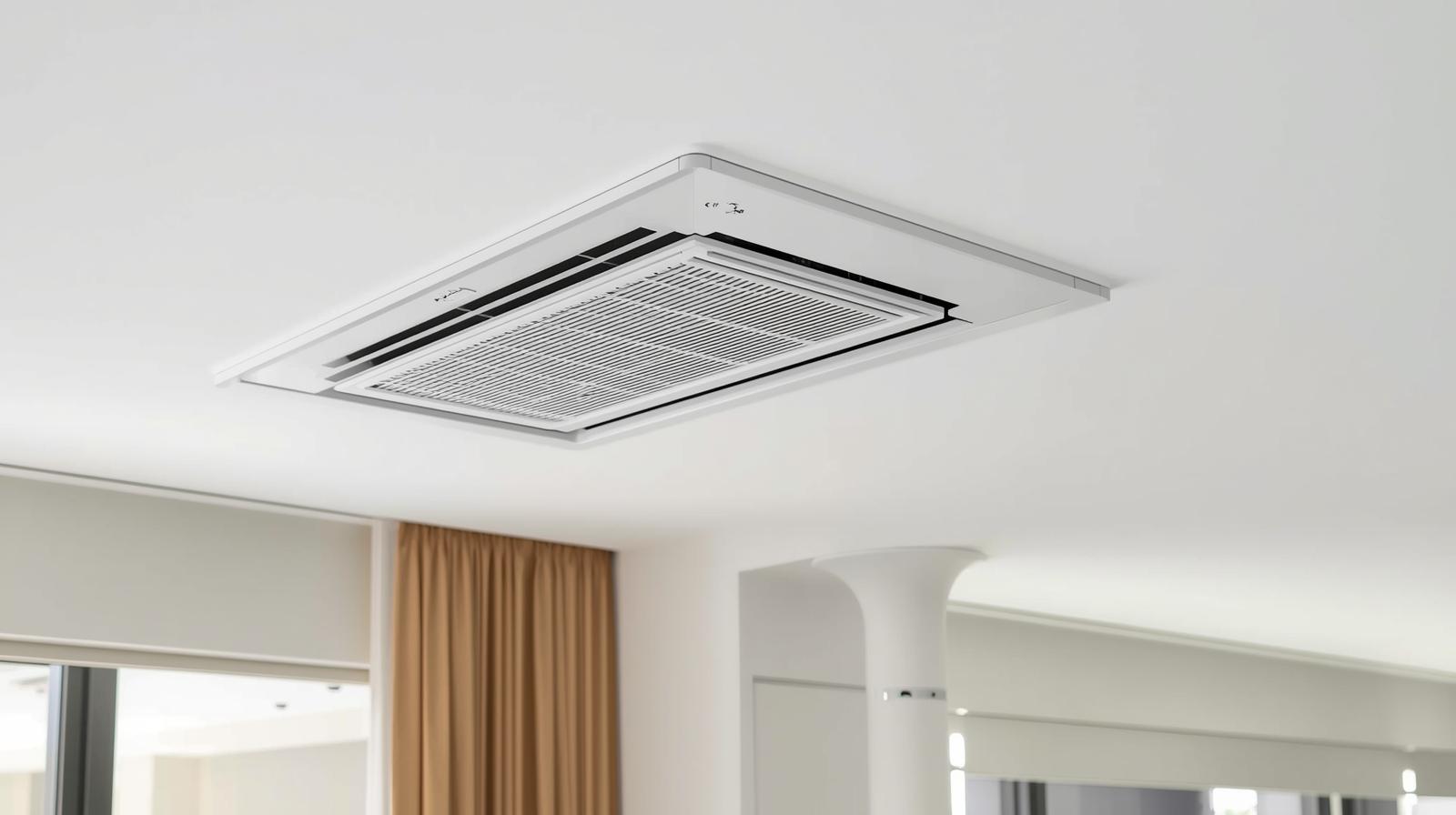
Energy Efficient Cooling Gold Coast
Gold Coast summers are no joke. With temperatures regularly pushing past 30°C and humidity that makes the heat feel even more intense, keeping your home cool isn't a luxury — it's a necessity. But if you've ever opened a quarterly power bill after a long summer, you'll know that staying comfortable can come at a serious cost.
The good news? Energy efficient cooling on the Gold Coast has come a long way. Modern ducted air conditioning systems are smarter, greener, and more affordable to run than ever before. At Paradise Air, we've helped hundreds of Gold Coast homeowners upgrade to cooling solutions that actually work with Queensland's climate — not against it.
In this guide, you'll learn what energy efficient cooling really means, how ducted systems can dramatically reduce your running costs, and exactly what to look for when choosing the right system for your home.
What Is Energy Efficient Cooling and Why Does It Matter on the Gold Coast?
Energy efficient cooling refers to your air conditioning system's ability to maintain a comfortable indoor temperature while using as little electricity as possible. On paper, that sounds simple. In practice, it comes down to a combination of the technology inside your unit, how it's installed, and how well it's matched to your home's size and layout.
On the Gold Coast, this matters more than almost anywhere else in Australia. Queensland consistently records some of the highest residential electricity prices in the country, with Energex customers paying significantly more per kilowatt-hour than the national average. When your cooling system is running for six to eight months of the year — which is common in South East Queensland — even a modest improvement in efficiency translates into hundreds of dollars saved annually.
There's also an environmental angle worth considering. Queensland's energy grid still relies heavily on fossil fuels, meaning every unnecessary kilowatt your air conditioner burns contributes to carbon emissions. Choosing a high-efficiency ducted system reduces both your bills and your household's environmental footprint — a win on both fronts.
The key takeaway: energy efficient cooling on the Gold Coast isn't just about comfort. It's a genuine financial and environmental decision that every homeowner should be making intentionally.
How Ducted Air Conditioning Delivers Energy Efficient Cooling Gold Coast Homes Need
When most people think of air conditioning, they picture wall-mounted split systems in individual rooms. Split systems have their place, but for Gold Coast homes with multiple living areas, bedrooms, and open-plan layouts, ducted air conditioning is almost always the more efficient long-term solution.
Here's why. A ducted system uses a single outdoor unit connected to a network of insulated ducts running through your ceiling. Cool air is distributed through vents into every room from one centralised system. Compare that to running three, four, or five separate split systems simultaneously — each with its own compressor drawing power — and the efficiency advantage becomes clear.
Modern ducted systems also use inverter technology, which is the single biggest driver of energy efficiency in residential cooling. Traditional air conditioners run at full power until the target temperature is reached, then switch off. Inverter systems continuously adjust their output to maintain temperature, running at lower speeds for longer periods. This eliminates the energy-hungry start-stop cycle and keeps your home at a consistent temperature without the spikes in power consumption.
Having installed ducted systems across Gold Coast suburbs from Coolangatta to Coomera, the Paradise Air team sees the real-world difference this technology makes — particularly in larger homes where traditional systems simply can't compete on running costs.
Understanding Energy Star Ratings and What They Mean for Your Power Bill
When you're shopping for a new ducted air conditioning system, the energy star rating label is one of the most important things to check. In Australia, the rating is managed by the Equipment Energy Efficiency (E3) program and displayed on a scale of one to ten stars — the more stars, the more efficient the unit.
For ducted systems, ratings are split into cooling and heating efficiency. In the Gold Coast context, cooling efficiency (measured in the warmer months) is the number that deserves the most attention. The technical measure behind the stars is the Energy Efficiency Ratio (EER) for cooling, which compares the amount of cooling output to the electrical energy consumed.
Here's a practical way to think about it: a system with a 4-star cooling rating will use noticeably less electricity to produce the same cooling output as a 2-star system. Over a full Queensland summer, that difference compounds quickly.
What most homeowners don't realise is that the star rating on the box assumes default settings and ideal conditions. To get the rated efficiency in real life, the system needs to be correctly sized for your home, properly installed, and regularly serviced. An oversized or undersized unit will never perform at its rated efficiency, regardless of how many stars it carries.
Practical tip: Always ask your installer to perform a heat load calculation before recommending a system size. This accounts for your home's insulation, ceiling height, window placement, and the number of occupants — all of which affect how hard your system needs to work.
The Real Cost of Running Ducted AC on the Gold Coast (and How to Reduce It)
Let's talk numbers. A typical ducted air conditioning system for a medium-sized Gold Coast home (around 200–250 sqm) might have a capacity of 10–14 kW. Running that system at full load for eight hours a day over a Queensland summer adds up fast.
However, with a modern inverter ducted system and smart zoning, most homeowners are only running their system at 40–60% capacity for the majority of the time. The actual running cost drops significantly compared to older fixed-speed systems or multiple split units.
Zoning: The Most Underrated Efficiency Tool
Zoning is what separates a good ducted system from a great one. A zoned system divides your home into separate areas — typically bedrooms, living areas, and entertaining spaces — that can be cooled independently. You're only cooling the rooms you're actually using, which eliminates wasted energy entirely.
On the Gold Coast, a typical four-zone setup might mean you cool the main living areas during the day and switch to bedroom zones overnight. Over a full summer, this kind of targeted cooling can reduce running costs by 30–40% compared to cooling the entire house continuously.
Smart Thermostats and App Control
Most premium ducted systems now come with Wi-Fi enabled controllers and smartphone apps. This means you can turn your system on remotely before you arrive home, set schedules around your family's routine, and monitor energy consumption in real time. Small behavioural changes — like pre-cooling your home during off-peak tariff hours — can add up to meaningful savings over a season.
Best Practices for Maximising Your Ducted System's Efficiency
Getting the most from your ducted system comes down to a handful of habits that Gold Coast homeowners often overlook.
Set your thermostat to 24–26°C. The Australian Government's energy advice consistently recommends this range for cooling. Every degree below 24°C increases energy consumption by approximately 5–10%. On a hot Gold Coast day, dropping to 20°C feels refreshing but is costing you significantly more.
Keep doors and windows closed. It sounds obvious, but in Queensland homes with outdoor entertaining areas and sliding doors, it's easy to lose cold air quickly. Ensure your home is sealed before running your system.
Service your system annually. Dirty filters and coils force your system to work harder to push air through, reducing efficiency and increasing wear. A professional service from a licensed technician — including filter cleaning, coil inspection, and refrigerant checks — keeps your system running at peak performance.
Use ceiling fans in conjunction with your ducted system. Fans don't cool the air, but they circulate it, which means your body feels cooler at a higher thermostat setting. Running a ceiling fan allows you to raise your target temperature by 2–3°C without any loss of comfort, and fans use a fraction of the electricity of an air conditioner.
Check your insulation. Your ducted system can only be as efficient as the building it's cooling. Poor ceiling insulation on the Gold Coast — where roof temperatures can exceed 60°C in summer — means your system is constantly fighting heat radiating downward. Upgrading insulation is one of the best supporting investments you can make.
Common Mistakes Gold Coast Homeowners Make with Their Cooling System
Even with a high-efficiency ducted system installed, it's easy to undermine its performance with a few common mistakes.
Buying the wrong size system. Bigger isn't always better. An oversized system will cool your home quickly but then cycle off before completing a full dehumidification cycle, leaving the air feeling clammy — a real problem in Gold Coast humidity. An undersized system will run constantly and never quite reach your target temperature. Always insist on a proper heat load calculation.
Ignoring the ductwork. Old or poorly installed ductwork with gaps, kinks, or inadequate insulation can waste 20–30% of the cooled air before it ever reaches a vent. If you're retrofitting a ducted system into an older Gold Coast home, have the ductwork inspected or replaced as part of the installation.
Skipping regular servicing. Many homeowners service their car every six months but forget their air conditioning system for years. A system running with a partially blocked filter or low refrigerant can consume 15–25% more energy than a well-maintained unit.
Closing off too many zones at once. Zoning is efficient, but completely closing all zones except one creates pressure buildup in the ductwork that strains the system. A good rule of thumb is to keep at least 30–40% of your zones open at any time.
How to Choose the Right Energy Efficient Ducted AC System for Your Gold Coast Home
Choosing the right system comes down to three things: capacity, features, and the quality of the installation.
For capacity, use your home's floor area as a starting point, but rely on a professional heat load calculation to finalise the number. Gold Coast homes with large north or west-facing windows, minimal insulation, or high ceilings will need more cooling capacity per square metre than a well-insulated modern build.
For features, prioritise inverter technology (non-negotiable for efficiency), a multi-zone controller, Wi-Fi connectivity, and a high energy star rating. Leading brands available in Australia include Daikin, Mitsubishi Electric, Fujitsu, and Samsung — all of which offer strong efficiency ratings in their ducted ranges.
For installation, choose a licensed and experienced local contractor. In Queensland, your installer must hold a current ARCtick refrigerant handling licence and a QBCC licence for the electrical work. Proper installation — including correctly sized and insulated ductwork, appropriate system placement, and commissioning to manufacturer specifications — is just as important as the unit itself.
If you're ready to explore energy efficient cooling options for your Gold Coast home, get in touch with the Paradise Air team for a free, no-obligation quote. We'll assess your home, recommend the right system size, and provide a transparent, detailed quote with no surprises.
FAQ: Energy Efficient Cooling Gold Coast
What is the most energy efficient ducted air conditioning system on the Gold Coast?
The most energy efficient ducted systems available in Australia are inverter-driven units with a 5-star or higher cooling rating. Brands like Daikin, Mitsubishi Electric, and Fujitsu consistently perform well in Australian conditions. The right system for your home depends on size, layout, and insulation — a licensed installer can recommend the best fit after a heat load assessment.
How much does it cost to run ducted air conditioning on the Gold Coast?
Running costs vary based on system size, efficiency rating, usage patterns, and current electricity tariffs. As a rough guide, a modern 10 kW inverter ducted system running for six hours per day might cost $3–$6 per day during summer, depending on the tariff. A properly zoned system can significantly reduce this figure by cooling only occupied areas.
How often should I service my ducted air conditioning system?
Annual servicing is recommended for Gold Coast homes. Queensland's humidity and dust levels mean filters and coils can clog faster than in drier climates. Regular servicing maintains efficiency, extends system lifespan, and keeps your warranty valid.
Is ducted air conditioning more energy efficient than multiple split systems?
For whole-home cooling, yes. A single ducted inverter system with zoning is generally more energy efficient than running four or five split systems simultaneously. The efficiency advantage increases as the number of rooms being cooled grows.
Can I add zoning to an existing ducted system?
In many cases, yes. If your existing ducted system is in reasonable condition, a licensed technician may be able to retrofit a zoning controller and zone dampers into the existing ductwork. Contact Paradise Air to assess whether your current system is compatible.
Looking for expert ducted air conditioning installation or servicing on the Gold Coast? Contact Paradise Air today and get a free quote from our licensed local team.


